
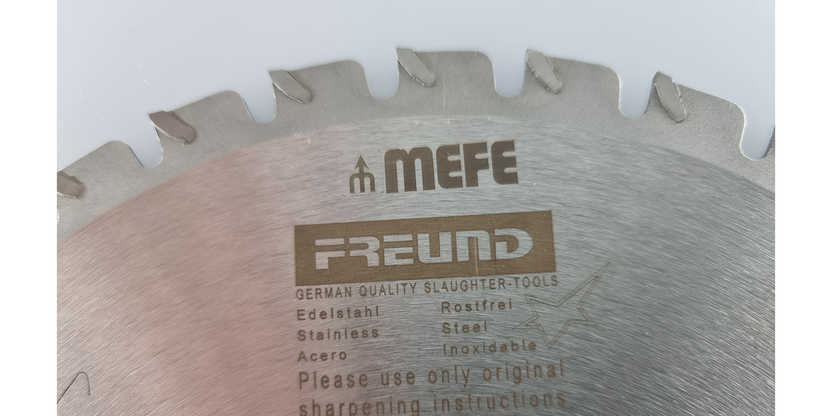
Maintenance for Commercial Food Processing Blades
Posted by MEFE on 29th Aug 2025
In the fast-paced world of commercial food processing, equipment downtime costs manufacturers an average of $50,000 per hour according to recent industry studies. Yet many facilities overlook one of the most critical components of their production lines: blade maintenance.
Poor commercial blade maintenance practices don't just affect cutting performance—they create cascading food processing automation challenges that can bring entire production lines to a halt. This comprehensive guide provides an implementation roadmap for establishing robust blade maintenance protocols that enhance system compatibility, optimize workflow, and support seamless equipment integration planning.
The Foundation of Effective Commercial Blade Maintenance
Commercial blade maintenance encompasses far more than occasional sharpening or replacement. It represents a systematic approach to preserving the precision, safety, and efficiency of cutting instruments that form the backbone of modern food and meat processing operations. Understanding this foundation is crucial when planning processing line upgrades or addressing equipment integration planning challenges.
Modern commercial food processing relies on various blade types, each engineered for specific applications:
- Slicing blades require precise edge geometry maintenance and regular alignment checks. This category includes circular, reciprocating, and bandsaw blades.
- Dicing assemblies: Need coordinated maintenance across multiple cutting elements
- Grinding blades: Face high-stress wear patterns requiring frequent inspection cycles
- Chopping mechanisms: Demand impact-resistant maintenance protocols
Material considerations also vary significantly:
- Stainless steel blades: Tolerate aggressive cleaning agents but require corrosion monitoring
- Carbon steel variants: Offer superior sharpness retention but need enhanced rust prevention
- Ceramic cutting elements: These provide exceptional edge life but require specialised handling procedures.
- Hard metal composites: These utilise a primary base material but are tipped with hard metal, such as carbide, to increase lifespan and cut quality.
The connection between blade condition and system compatibility cannot be overstated. When blades operate outside optimal parameters, they create vibrations, produce inconsistent cuts, and generate excessive heat—all factors that compromise automated quality control systems and disrupt carefully calibrated processing workflows. This interconnectedness means that commercial blade maintenance must be viewed as an integral component of overall equipment integration planning rather than an isolated maintenance task.
Successful maintenance programs distinguish between preventive and reactive approaches. Preventive maintenance schedules align with production cycles, minimize unexpected downtime, and support workflow optimization initiatives. Reactive maintenance, while sometimes unavoidable, often creates the food processing automation challenges that manufacturers work so hard to eliminate. The most effective programs heavily favor preventive strategies while maintaining responsive capabilities for unexpected issues.

Creating Your Blade Maintenance Implementation Roadmap
Conducting a Comprehensive Equipment Audit
Before implementing any maintenance program, a thorough assessment of current blade conditions and integration points is essential. The audit process should systematically document:
- Current blade inventory: Complete cataloging of every cutting element
- Usage pattern analysis: Hours of operation, material types processed, cutting frequencies
- Integration touchpoints: Connections with quality control systems, automated monitoring, production scheduling
- Performance baseline metrics: Current cutting speeds, quality consistency, wear rates
- Maintenance history review: Previous replacement schedules, failure patterns, cost analysis
The audit process reveals critical information about system compatibility across your processing line. Blades that appear functional may actually be operating outside specifications, creating subtle inefficiencies that compound throughout automated sequences. During this phase, examine how current blade conditions affect downstream processes, quality control checkpoints, and packaging operations.
Integration points with existing automation systems require particular attention during the audit. Document how blade performance monitoring connects with overall equipment effectiveness systems, quality management platforms, and production scheduling tools. This information becomes invaluable when planning processing line upgrades or implementing new automation technologies.
Technical Requirements Analysis
Effective implementation planning demands a clear understanding of technical requirements across all blade maintenance activities. Usage patterns vary dramatically between different processing applications, requiring customized maintenance frequencies and procedures. High-volume slicing operations may require daily attention, while specialty cutting tools might follow weekly or monthly schedules.
Compatibility considerations extend beyond individual blade specifications to encompass entire processing ecosystems. New maintenance protocols must integrate seamlessly with existing quality control systems, production scheduling software, and automated monitoring platforms. This integration challenge often represents the most complex aspect of equipment integration planning for maintenance programs.
Change management considerations cannot be overlooked during technical requirements analysis. Staff members who have operated under previous maintenance protocols will need training, support, and time to adapt to new procedures. Successful implementation planning accounts for this human element while establishing technical frameworks for long-term success.
Budget allocation for comprehensive maintenance programs extends beyond blade replacement costs to include specialized tools, training materials, documentation systems, and potential production schedule adjustments during implementation. Risk assessment for various equipment integration planning scenarios helps identify potential challenges before they impact production operations.
Executing Your Commercial Blade Maintenance Program
Daily Maintenance Protocols
Daily maintenance checklists should include:
Visual Inspection Protocol:
- Edge condition assessment (nicks, chips, rounding)
- Mounting security verification
- Contamination or buildup identification
- Unusual wear pattern detection
Performance Verification Steps:
- Cut quality spot-checks on sample materials
- Vibration and noise level assessment
- Temperature monitoring during operation
- Speed and feed rate confirmation
Documentation Requirements:
- Inspection findings logged in maintenance management system
- Any anomalies flagged for follow-up investigation
- Performance metrics recorded for trend analysis
Cleaning and sanitization procedures must align with both maintenance requirements and food safety standards. Different blade materials and configurations require specific approaches:
Material-Specific Cleaning Protocols:
- Stainless steel assemblies: Compatible with aggressive cleaning solutions and high-pressure washing
- Composite materials: Require gentle cleaning agents to prevent material degradation
- Complex blade geometries: Need specialized brushes and cleaning tools to reach intricate areas
Weekly and Monthly Deep Maintenance
Weekly Deep Maintenance Activities:
- Precision measurements: Blade geometry verification using calibrated measuring tools
- Edge condition analysis: Microscopic examination for micro-chipping or edge rolling
- Sharpening protocols: Professional reconditioning using appropriate grinding techniques
- Alignment verification: Ensuring proper blade positioning within processing equipment
Monthly Comprehensive Assessments:
- Performance data analysis: Statistical review of cutting speeds, quality metrics, and efficiency trends
- Wear pattern evaluation: Identification of unusual wear that might indicate alignment or operational issues
- Correlation studies: Connecting blade performance with production metrics and quality outcomes
- Predictive indicators: Early warning signs that suggest upcoming maintenance needs
Calibration checks during weekly maintenance ensure that blade positioning, speed settings, and automation interfaces remain within specified parameters. These procedures are particularly critical following processing line upgrades or changes to upstream equipment that might affect material flow or cutting requirements. System compatibility verification confirms that maintenance activities haven't inadvertently created integration issues with connected automation systems.
Quarterly Comprehensive Reviews
Quarterly Strategic Review Components:
- Performance trend analysis: Quarter-over-quarter blade performance comparisons
- Cost-effectiveness evaluation: Maintenance program ROI and budget optimization opportunities
- Operational alignment assessment: Integration with broader facility objectives and production goals
- Technology upgrade evaluation: Opportunities for processing line upgrades or automation enhancements
Implementation Planning Adjustments:
- Program modifications based on quarterly performance data
- Staff training updates to address identified skill gaps
- Process refinements to improve efficiency and effectiveness
- Technology integration opportunities to enhance automation capabilities
Documentation generated during quarterly reviews supports regulatory compliance requirements while providing data for continuous improvement initiatives. This information proves invaluable during equipment procurement decisions, facility expansion planning, and technology upgrade evaluations.
Overcoming Food Processing Automation Challenges Through Strategic Blade Maintenance
Integration with Modern Processing Systems
Modern food processing operations increasingly rely on integrated automation systems that monitor, control, and optimize production processes in real-time. Strategic blade maintenance programs must seamlessly connect with these systems to provide actionable data and support automated decision-making processes. This integration addresses many common food processing automation challenges while enhancing overall operational efficiency.
Key Predictive Maintenance Technologies:
- Vibration analysis systems: Detect bearing wear, alignment issues, and mechanical problems before failure
- Thermal imaging cameras: Identify overheating components and friction points requiring attention
- Performance monitoring sensors: Track cutting speed, force requirements, and quality metrics in real-time
- Integration platforms: These connect blade condition data with existing MES and quality management systems.
- Power draw analysis: The first indicator that a blade needs sharpening is an increase in the machine's power draw during a cut. Tracking these measurements will provide early insight into the need for blade sharpening or replacement.
Data collection and analysis capabilities built into modern maintenance programs provide unprecedented insights into blade performance patterns, wear characteristics, and optimization opportunities. This information supports evidence-based decision making for processing line upgrades and equipment integration planning initiatives.
Workflow Optimization Through Maintenance Planning
Effective workflow optimization requires careful coordination between maintenance activities and production schedules. Strategic maintenance planning minimizes production disruption by scheduling blade maintenance during planned downtime windows, changeover periods, or natural breaks in production flow. This approach supports overall equipment effectiveness goals while maintaining high standards for blade condition and performance.
Coordination with processing line upgrades ensures that blade maintenance programs adapt to new equipment capabilities, changed product requirements, or modified production flows. This coordination is essential for maintaining system compatibility and avoiding the integration challenges that can emerge when maintenance protocols lag behind operational changes.
Change management strategies for staff adoption recognize that workflow optimization depends heavily on operator buy-in and consistent execution of maintenance procedures. Training programs, performance incentives, and clear communication about program benefits help ensure successful implementation and long-term sustainability of optimized maintenance workflows.
Monitoring and Optimizing Your Blade Maintenance Program
Key Performance Indicators
Essential Performance Metrics to Track:
- Blade lifespan indicators: Average service life, replacement frequency, cost per operating hour
- Production efficiency measures: Throughput rates, material waste percentages, processing time consistency
- Quality consistency metrics: Cut precision, product uniformity, defect rates
- Downtime impact analysis: Planned vs. unplanned maintenance hours, production interruption costs
- System integration effectiveness: Automation system performance, quality control accuracy
Optimization Opportunities:
- Equipment utilization improvements through better maintenance scheduling
- Cost reduction through extended blade life and reduced emergency repairs
- Quality enhancements via consistent cutting performance and reduced variations
Continuous Improvement Framework
Regular program evaluation ensures that blade maintenance protocols evolve with changing operational requirements, new technologies, and improved best practices. This evaluation process should incorporate feedback from operators, maintenance technicians, and production supervisors who interact with blade maintenance activities daily. Their insights often reveal practical improvements that enhance program effectiveness while reducing implementation complexity.
Feedback incorporation from operational staff provides valuable insights into workflow optimization opportunities and potential equipment integration planning needs. Front-line workers often identify system compatibility issues or process inefficiencies that aren't apparent in performance data or management reports.
Adaptation to new processing line upgrades requires ongoing assessment of how blade maintenance programs integrate with evolving production technologies. As facilities implement new automation systems, quality control tools, or production processes, maintenance protocols must adapt to support these changes while maintaining high performance standards.
Long-term implementation planning adjustments ensure that blade maintenance programs remain aligned with strategic business objectives, regulatory requirements, and industry best practices. This forward-looking approach helps identify investment needs, training requirements, and system modifications before they become urgent operational issues.
Conclusion
Effective commercial blade maintenance represents far more than routine equipment care—it forms the foundation for reliable, efficient food processing operations that can adapt to evolving automation challenges and integration requirements. The implementation roadmap outlined in this guide provides a structured approach to developing maintenance programs that enhance system compatibility, optimize workflow, and support long-term operational success.
By following these comprehensive guidelines, food processing facilities can transform blade maintenance from a reactive expense into a strategic advantage. The key lies in viewing maintenance as an integral component of broader equipment integration planning efforts rather than an isolated operational task. This perspective enables maintenance programs to support automation initiatives, facilitate processing line upgrades, and contribute to overall workflow optimization goals.
The investment in systematic commercial blade maintenance pays dividends through reduced downtime, improved product consistency, enhanced food safety, and greater operational flexibility. As the food processing industry continues to embrace automation and integration technologies, facilities with robust blade maintenance programs will be better positioned to capitalize on these opportunities while maintaining the reliability and efficiency that competitive markets demand.
Regular assessment of your current blade maintenance practices against these guidelines will reveal opportunities for improvement and help ensure that your facility maximizes the return on its processing equipment investments. The framework provided here serves as both an initial implementation guide and an ongoing reference for continuous improvement in commercial blade maintenance excellence.