
Advanced Electrical Stimulation for Modern Abattoirs
Posted by warren Leamy on 8th Mar 2026
Electrical Stimulation in Meat Processing Plants
Why It Matters for Quality, Safety, and Efficiency
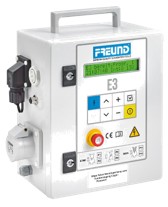
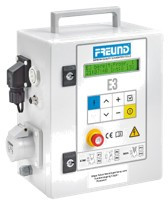
Electrical stimulation in meat processing has become an essential technique for modern abattoirs and meat processors aiming to improve meat quality, increase processing efficiency, and enhance workplace safety. By applying controlled electrical pulses to carcasses at specific stages during processing, operators can accelerate natural biochemical processes in the muscle, reduce handling risks, and produce more consistent, higher-quality meat products. Advanced equipment such as the MEFE -FREUND CAT 44 E3 Stimulation Device is designed to deliver precise stimulation across multiple stages of the processing line, supporting safe animal handling and improved product outcomes.
In large animal processing—including beef, buffalo, camels, horses, pigs, lamb, and goats—electrical stimulation plays several important roles. From immobilisation before the bleed cut to stimulation during hide pulling and chilling preparation, each application contributes to improved carcass quality, better worker safety, and optimal meat tenderness.
What Is Electrical Stimulation in Meat Processing?
Electrical stimulation refers to the controlled application of electrical current to a carcass at various stages during slaughter and dressing. The process causes rapid muscle contractions that quickly use up the remaining adenosine triphosphate (ATP) in the muscle tissue.
As ATP depletes, the muscle enters rigor mortis sooner. Accelerating this process allows processors to chill carcasses earlier without causing muscle contraction or toughness known as cold shortening. When performed correctly, electrical stimulation improves tenderness, colour, shelf life, and overall eating quality.
Solutions like MEFE meat processing systems integrate stimulation technology into processing lines to optimise both animal welfare and meat quality.
Key Applications of Electrical Stimulation
Electrical stimulation is not a single-stage process. Instead, it is applied strategically during different phases of slaughter and processing to achieve specific outcomes. The MEFE CAT 44 E3 Stimulation Device allows customisation for different species and processing requirements.
Immobilisation, Bleeding Stimulation, Dehiding Stiftening, and Hanging Stimulation

Immobilisation Stimulation
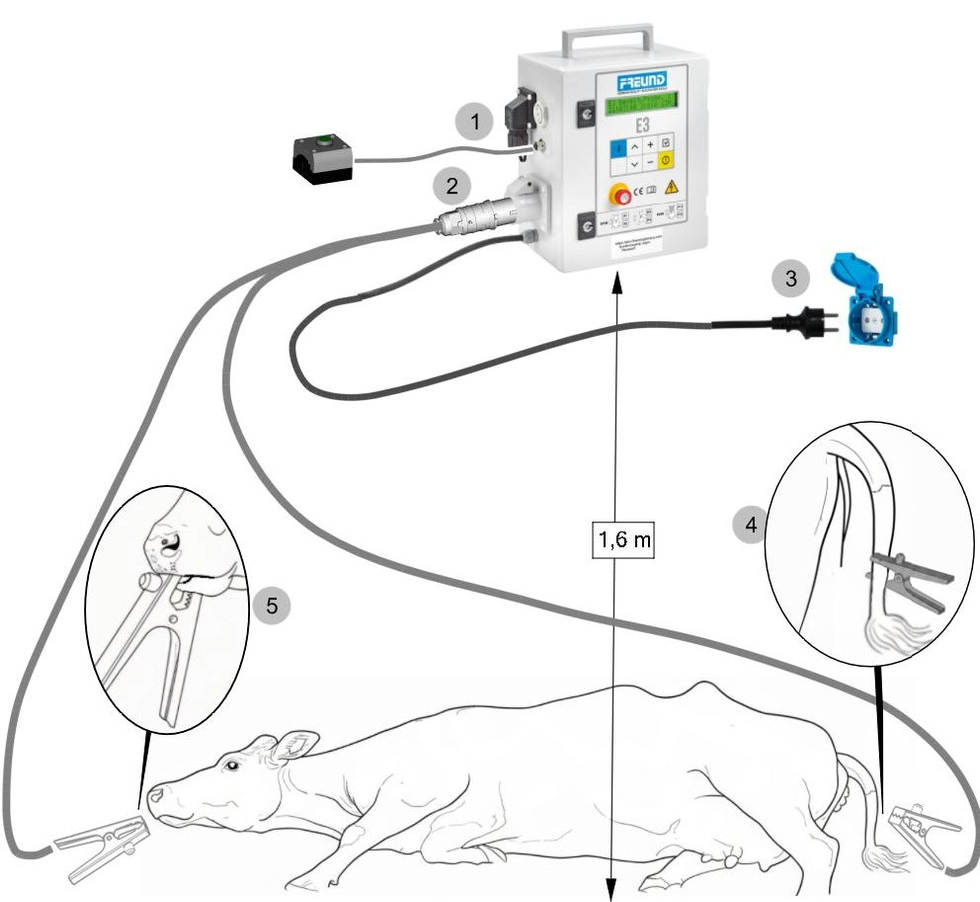
Immobilisation stimulation is applied before the bleed cut to safely control animal movement. This stage is critical for both animal welfare and operator safety.
When electrical stimulation is used for immobilisation, it:
- Prevents kicking and thrashing during handling
- Reduces stress for both animals and operators
- Relaxes muscles for safer processing
- Prevents operator injury
- Prevents animal bruising and carcass damage
- Ensures longer and more effective stunning results
This application is particularly valuable for large bovine animals such as beef cattle, buffalo, camels, horses, pigs, and boars.
Bleed Stimulation
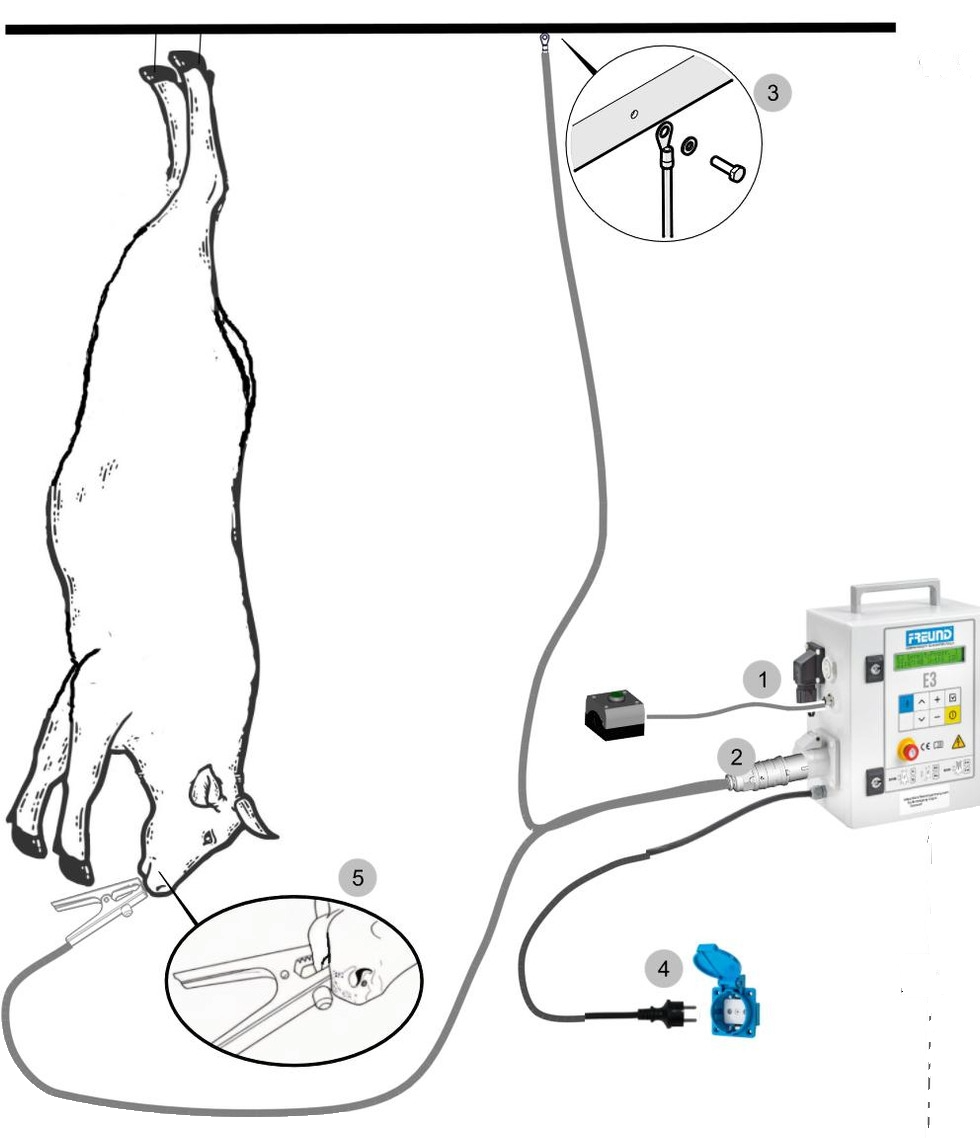
Bleed stimulation occurs after the thoracic cut and is designed to improve blood removal from the carcass. Effective bleeding is critical for both meat quality and shelf life.
Benefits of bleed stimulation include:
- Improved bleed effectiveness
- Increased bleed quantity
- Shorter bleed times
- Improved pH decline in the muscle
- Better carcass appearance
This stage is used for large bovine species including beef, buffalo, camels, horses, as well as smaller livestock such as lamb and goats.
Stiffen Stimulation
During hide removal, maintaining carcass stability is essential to avoid damage. Stiffen stimulation is applied during the hide pulling stage to hold the animal firmly in position.
This stimulation stage helps:
- Prevent hide tearing
- Reduce bone breakages
- Minimise bruising
- Prevent meat tearing
- Assist glucose utilisation in muscle
By holding the carcass firm, hide removal becomes more controlled and efficient, reducing processing losses and improving consistency.
Hanging Stimulation
Hanging stimulation is applied before the carcass enters the chiller. This stage prepares the muscle for rapid chilling without risking toughness.
Key advantages include:
- Prevention of cold shortening
- Reduced hang time in chillers
- Faster processing throughput
- Reduced chiller space requirements
- Improved tenderness and meat consistency
Because rigor mortis occurs earlier, processors can chill carcasses faster without compromising meat quality.
The Science Behind Electrical Stimulation
After slaughter, muscle tissue continues to undergo biochemical changes. Normally, ATP gradually depletes and the muscle enters rigor mortis over several hours.
Electrical stimulation accelerates this process by causing rapid muscle contractions that consume the remaining ATP. As ATP levels decline quickly, rigor mortis begins earlier.
This controlled acceleration delivers several benefits:
- Rapid ATP depletion
- Faster pH decline in muscle tissue
- Controlled glucose breakdown
- Accelerated onset of rigor mortis
Once rigor mortis occurs, the carcass can be chilled quickly without the muscles contracting and becoming tough. Shelf life improves, and meat quality, visual appearance, flavour, and tenderness reach optimal levels.
Advanced Technology in the MEFE CAT44 E3 Stimulation Device
The FREUND - MEFE CAT 44 E3 Stimulation Device incorporates the latest stimulation technology to ensure precise, consistent, and adaptable performance across multiple stages of meat processing.
The system utilises high-frequency electrical stimulation with fully controllable cycles that ramp gradually during operation. This controlled ramping provides smoother muscle activation while reducing unnecessary stress on the carcass.
A key technological feature is the unit’s ability to continuously measure electrical resistance within the carcass. By monitoring resistance in real time, the system can determine the approximate size of the animal and automatically adjust the power output to maintain a steady, fixed current flow based on the preset requirements for the specific processing task.
This intelligent adjustment ensures the correct stimulation level is applied regardless of animal size or variation, providing consistent results across different species including beef, buffalo, camels, horses, pigs, lamb, and goats.
The unit is fully adjustable and can operate either with a steady current or with dynamically changing stimulation cycles over a programmed time period depending on processing requirements.
Full Data Monitoring and Audit Capability
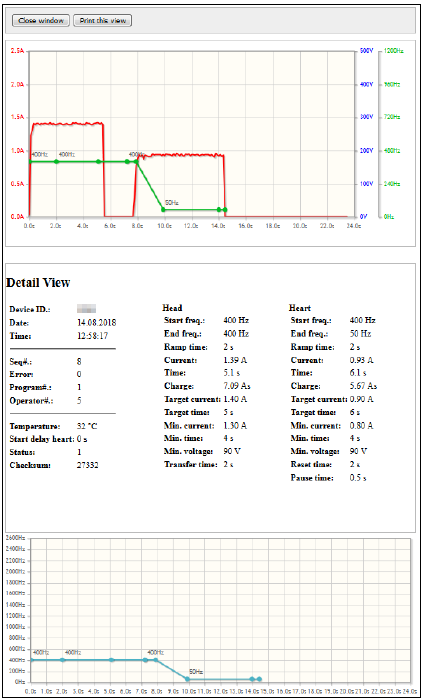
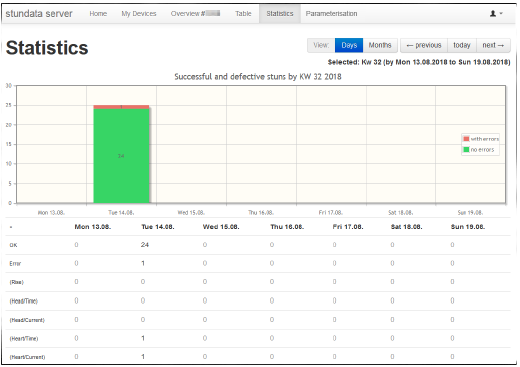
The FREUND MEFE CAT 44 E3 stimulator is fully auditable and designed for modern processing environments where traceability and operational data are essential.
The system stores operational data internally, allowing processors to maintain complete records of stimulation cycles and performance. The device can also connect to secure online servers, enabling password-protected access for data analysis, reporting, and system monitoring.
This connectivity allows processors to review stimulation performance, analyse operational data, and adjust system settings when required. Updates and configuration changes can be carried out directly by the user or provided remotely as part of a service and support program from MEFE.
How Electrical Stimulation Improves Meat Quality
When electrical stimulation is applied correctly at multiple processing stages, it produces measurable improvements in final meat quality.
- Improved tenderness
- Better colour and visual appearance
- Enhanced flavour and taste
- Improved shelf life
- Reduced carcass damage
- Consistent meat quality
The combination of faster rigor mortis, controlled pH decline, and efficient blood removal results in meat that is more appealing to consumers and more consistent for processors.
Frequently Asked Questions
What does electrical stimulation do to meat?
Electrical stimulation causes rapid muscle contractions that use up remaining ATP in the muscle. This accelerates rigor mortis, allowing carcasses to be chilled sooner without causing toughness.
Does electrical stimulation improve meat tenderness?
Yes. By controlling pH decline and preventing cold shortening, electrical stimulation significantly improves meat tenderness and consistency.
Is electrical stimulation safe for operators?
When used with purpose-built equipment such as the MEFE CAT 44 E3 system, stimulation improves safety by immobilising animals and reducing kicking or thrashing during processing.
Which animals benefit from electrical stimulation?
Electrical stimulation is commonly used for beef cattle, buffalo, camels, horses, pigs, lamb, and goats. The exact method can be customised for each species.
Optimise Your Processing Line with Advanced Electrical Stimulation
Electrical stimulation has become a vital technology in modern meat processing. From improving animal handling and operator safety to enhancing tenderness, shelf life, and processing efficiency, the benefits are substantial when applied correctly.
The FREUND -MEFE CAT 44 E3 Stimulation Device provides processors with a reliable and technologically advanced solution for multi-stage stimulation across a wide range of species.
To learn more about advanced meat processing systems and electrical stimulation equipment, visit www.mefe.com.au and discover how MEFE can help optimise your processing line for safety, efficiency, and premium meat quality.